
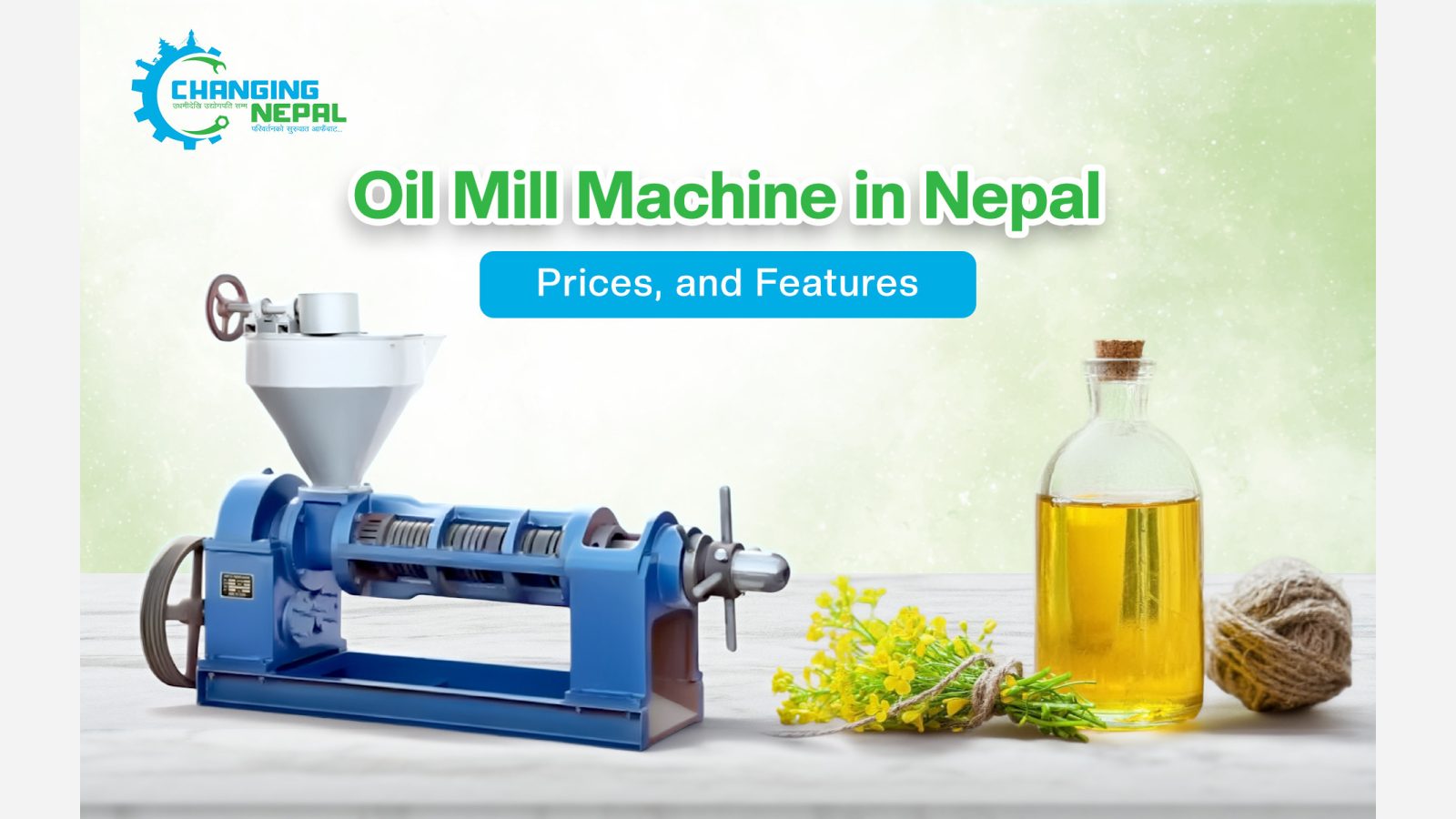
Oil mill machines are key tools that are used to extract the edible oil from various seeds such as mustard, sesame, sunflower, and others. In Nepal, these machines are gaining popularity as people seek ways of making their own cooking oil at home or in a small business.
The demand for oil mill machines in Nepal is rising. Many people are interested in making their own oil. They want to ensure they are getting fresh oil that doesn't contain chemicals. Oil mill machines not only assist in the production of pure oil, but they also provide an opportunity for small business owners to get into the growing edible oil market.
In this blog, we will cover the various oil mill machines in Nepal, their cost, some important attributes to be considered, and the advantages of acquiring one.
What is an Oil Mill Machine?
An oil mill machine is a machine used for the extraction of oil from different kinds of seeds, which include mustard, sesame, sunflower, and even nuts. These machines battle by crushing or pressing
the seeds to release the oil.
There are different kinds of oil mill machines available in the market,t and differences between them in terms of technologies and capacity. A basic operation takes place by crushing the seeds in a chamber, and the oil is separated from the seed. The left over material, called the "cake" or "press cake," can be used as an animal feed or otherwise.
Oil mill machine is available in various sizes that range from home use and small to factories. These machines are efficient, save time, and enable users to make high-quality oil right at home or in a small business set-up.
Types of Oil Seeds Processed
An oil mill machine can handle processing a large variety of seeds and nuts. This makes it useful for small businesses, farms, and local oil production in Nepal.
Here are some of the common seeds that may be processed:
a) Mustard Seed
Mustard is one of the most common oilseeds available in Nepal. Mustard is used by the industry for cooking and traditional purposes. An oil mill machine can be used to extract oil from mustard seeds easily and efficiently.
b) Sesame Seed
Sesame seeds are also used for producing top-notch oil. Sesame oil is known to be rich in flavour and good for health. A lot of others choose it for cooking as well as special food items.
c) Sunflower Seed
Sunflower seeds may also be processed using an oil mill machine. Sunflower oil is light and clean and is used at home and in the food industry.
d) Soybean
Soybean is another type of popular seed for oil production. It gives a good amount of oil, and it is often used for commercial purposes.
e) Groundnut (Peanut)
Groundnut oil has a wide taste preference - and is highly appreciated for its cooking quality. With the right machine, groundnuts can be pressed to get fresh oil.
f) Coconut
Some oil mill machines can also be used for dried coconut. Coconut oil is applied to cooking, beauty,y and personal care products.
Key Features to Look For
When purchasing an oil mill machine, there are a number of different important features to consider. These features will make sure that the machine will fit your needs, work effectively, and also last longer. The following are the key things to look for:
1. Motor Power
The motor power (measured in horsepower or HP) is the determinant of the efficiency and speed of the machine. A higher motor power indicates that the machine is able to process more seeds in less time.
2. Capacity (kg/hr)
The capacity of the oil mill machine refers to the amount of oil produced per hour by this machine. Choose a machine based on your daily oil production needs, and choose a machine that has the right capacity. For instance, if you're doing a small business, a 30-80kg/hr capacity machine is perfect.
3. Material Quality
Machines with stainless steel are more durable and rust-resistant. Stainless steel is the best material for oil mills, which ensures hygiene and lasts longer.
4. Oil Extraction Rate
The extraction rate is the amount of oil that the machine can extract from seeds. Machines with a higher extraction rate provide you with more oil from the same amount of seeds.
5. Energy Source
Oil mill machines can be electric in nature or diesel-powered. Electric machines are easier to maintain and are better for use inside buildings, whereas Diesel machines may be more appropriate for places where there may be power issues.
6. Ease of Operation & Maintenance
Choose the easy-to-operate machine. Some come with control set to automatic, and some have to be put in more manual work. Make sure the machine is easy to clean, and maintain your life machine for as long as possible.
7. Safety Features
Safety is important when using any machinery. Look for features such as an emergency stop button, protective covers, and safety alarms to ensure the safety of users during use.
Oil Mill Machine Prices in Nepal
The cost of an oil mill machine in Nepal can vary depending on several factors, including the capacity of the machine, the brand, the features, and whether it is an automatic or manual machine or not. An overview of the oil mill price in Nepal is Rs 290000.
Why Invest in an Oil Mill Machine?
Investing in an oil mill machine has multiple benefits, particularly for small enterprises, farmers, and oil lovers who want to produce fresh and quality oil. Here are some of the reasons to consider investing:
1. Profitability and ROI
Oil Mill machines can give a great return on investment. As the demand for fresh, natural, and chemical-free oil rises, it can be a lucrative business to sell oil. By becoming your own manufacturer of oil, you are saving yourself the cost of purchasing oil on the market, which you can sell at a higher price.
2. Local Demand for Edible Oil
Edible oils such as mustard oil, sunflower oil, and sesame oil are widely used in the household and food industries in Nepal. The production of your own oil will help meet the local demand, especially in places where branded oil is more difficult to obtain.
3. Value Addition & Product Diversification
By processing oil yourself, you will also be able to produce unwanted by-products such as oil cake that could be fed to your animals or sold to other industries. This becomes an additional source of income and adds value to your product.
4. Control Over Quality
When you are making your own oil, you have full control over the quality of the oil you are making. You can be sure that no chemicals or preservatives are used, which will give you an edge in the market to customers who are looking for natural, healthy oil.
5. Export Potential
If your business were to grow and you were making large amounts of oil, there is a possibility for export. Nepal has an interest in the export of agricultural products,s and the selling of oil in the international market can open new markets and raise profits.
How to Choose the Right Machine
Choosing the right oil mill machine is crucial in ensuring you get the best results, depending on your needs, investment, and the size of your business. The following are the considerations to make the right decision:
1. Match Capacity to Your Needs
The most important thing to consider first is the machine's capacity. If you are running a small business or just producing oil for personal use, then a small machine with a lower capacity (10-30 kg/hr) may be sufficient. For larger businesses, you'll need larger machines (30-80kg/hr or more) when production demand is high.
2. Consider Your Budget
Different price ranges are available for oil mill machines,s so it's important to have a budget. Keep in mind that cheaper machines may be cheap, er but they may not be as efficient or may require more maintenance in the long run.
3. Evaluate Features and Automation
Think of the features that you require. Automatic machines with digital controls might be easier to use and require less manual labour. They can be more expensive. Consider whether the extra features are worth the price for your particular needs.
4. Check After-Sales Service and Spare Parts Availability
Look for suppliers or manufacturers who provide eexcellent after-salesservice. This is very important in case of needing assistance with installation, training, or maintenance. Also, be sure that spare parts are readily available in Nepal so that you can get to fix any issues quickly.
5. Warranty and Training Support
A good warranty will help you save money in case the machine breaks down during the first few years. On top of that, training support is something you will need to learn how to work the machine properly in order to ensure efficiency and safety.
Oil Mill Machine Maintenance Tips
Proper maintenance is very important when it comes to making sure that your oil mill machine works efficiently for longer periods of time. Here are some simple aspects of maintenance that can ensure that your machine is in good condition:
1. Regular Cleaning
After each use, it is important to ensure that the machine is thoroughly cleaned. This helps to prevent oil residue from accumulating, to make sure the process by which you extract oils is going smoothly. Use soft cloths and non-abrasive cleaning tools in order to prevent damage to the machine's parts.
2. Periodic Lubrication
Keep the moving parts of the machine well lubricated. This is done to meet the requirements and provides reduced friction, wear, and tear, and the operation of the past is made smooth. Make sure to use the recommended lubricant as per the machine's manual.
3. Motor Care
The motor is the core of the oil mill machine, so it is necessary to pay attention to it. Clean the vents of motors to avoid dust from getting stuck and ensure there are no obstructions. If you detect any odd sounds or vibrations, repair the motor with the help of a turner.
4. Check for Worn Parts
Inspecting the Machine: Regularly inspect the machine for worn or damaged parts, specifically looking for any problems with the press cage and screw shaft. If any part is damaged or worn out, replace it immediately to avoid any impact on the oil extraction process.
5. Troubleshooting Common Issues
Be conscious of some common problems,s such as insufficient production, overheating, or strange sounds. These issues are often repairable with a simple adjustment, such as tightening screws, cleaning the oil filter, or parts being clogged. If the problem persists, call the manufacturer for further assistance.
Why Choose Changing Nepal?
When it comes to the purchase of an oil mill machine, Changing Nepal is the best choice for the following reasons:
1. Quality Products
We have high-quality oil mill machines that are built to last. Our machines are constructed of strong materials such as stainless steel, so that you will always have the performance and reliability you expect.
2. Affordable Prices
At Changing Nepal, we know it is important to have cost-effective solutions. We offer competitive pricing and never lose quality. Whether the need is for a small or large machine, we have options to meet your budget.
3. Expert Guidance & Consultation
Our team of experts is here to help you with options of the right oil mill machine based on your needs and requirements. We provide individualised consultations to be sure to make an informed decision.
4. After-Sales Support & Service
What we sell you isn't just a machine; we will give you ongoing support with it. From installing the equipment to training people to take care of the machines to maintenance and spares, we live with you every step of the way.
5. Wide Range of Machinery
Changing Nepal provides different types of oil mill machines, catering to different scales of production. Whether you're going to start a small home-based oil extraction business or do it on a large scale, too, we have the perfect oil extraction machine for you.
6. Trusted by Customers
We have won the trust of many customers in Nepal because of our dedication to quality, service, and customer satisfaction. Our reputation speaks for itself,f and we are proud tobe thee leader in supplying machinery in Nepal.
Conclusion
Investing in an oil mill machine can be a great business opportunity or even a way to produce fresh and healthy oil for personal use. By choosing the right machine, understanding the key features, and following some maintenance tips, you can ensure your machine operates smoothly and with long-term success.
Whether you want to process mustard, sesame, sunflower, or other seeds, an oil mill machine can help you to produce high-quality oil in an efficient way. With an ever-increasing demand for fresh and chemical-free oils in Nepal, owning an oil mill machine has the potential to offer good business and even a profit-making venture to small businesses and to farmers alike.
FAQs
Some commonly asked questions about oil mill machines are provided here, which may help determine the common doubts:
1. Which oilseeds can be processed in an oil mill machine?
Oil mill machines are available for different kinds of seeds such as mustard seed, sesame seed, sunflower seed, soybean seed, groundnut (peanut seed), and coconut. The type of machine you select will be determined by the seed that you want to process.
2. How much oil can be extracted per hour?
The rate of extraction of oil is dependent on the capacity of the machine. A small machine may extract 10-30kg of oil per hour, whereas larger machines may process up to 80kg or more per hour.
3. Is training provided after purchase?
Yes, many of the suppliers offer training following the purchase of an oil mill machine. This helps to learn how to correctly operate the machine efficiently and safely. Some manufacturers also have on-site installation and set-up.
4. How long does an oil mill machine last?
The life expectancy of an oil mill machine depends on the quality, maintenance, and usage of the machine. With normal upkeep and care, a nice quality machine can last for many years